Melbourne's Wasp Removal Specialists
Wasp Removal Melbourne
Wasp nests are a serious safety hazard, particularly in Melbourne's late summer and autumn when European wasp colonies reach peak aggression. A single disturbed nest can release thousands of wasps capable of multiple stings each. DIY removal attempts send hundreds of Australians to hospital every year. Our licenced technicians safely eliminate wasp nests using professional-grade treatments and protective equipment, with same-day emergency service available across Melbourne.
Get a Free Quote
Fast response for Melbourne locals
Do Not Disturb an Active Wasp Nest
If you have found an active wasp nest, keep people and pets away from the area and call us immediately. Do not spray the nest with water or household insecticide — this will trigger an immediate and aggressive defensive response.
Why Wasp Nests Are a Serious Safety Risk
Melbourne's European wasp population has grown significantly since the species was introduced in the 1970s. Unlike bees, European wasps can sting multiple times without dying, and a disturbed nest will mobilise the entire colony simultaneously. Late summer colonies can contain 50,000 to 100,000 wasps — enough to cause fatal anaphylaxis in allergic individuals or serious injury from the volume of stings even in non-allergic adults.
Beyond direct physical risk, wasps are a significant problem for outdoor hospitality venues, school playgrounds, sports facilities, and any residential property with children. As temperatures cool in autumn, European wasps become increasingly attracted to food and drink and far more aggressive in their defence of the nest — making February through May the highest-risk period.
Paper wasps are less aggressive but build nests in high-contact areas such as eaves, letter boxes, and garden structures. Their stings are painful and can trigger severe allergic reactions. Both European and paper wasp nests grow continuously through spring and summer, so early-season removal is always easier, faster, and less expensive.
Wasp Species Found in Melbourne
European Wasp
Vespula germanica
The most dangerous wasp species in Melbourne. European wasps build large underground nests or within wall cavities, roof voids, and garden structures. A single nest can contain up to 100,000 wasps by late summer. Unlike bees, they can sting multiple times and attack in large numbers when disturbed. Their populations peak in autumn when food sources decline and they become highly aggressive.
Paper Wasp
Polistes humilis
Builds the distinctive open-celled papery nests commonly found under eaves, in pergolas, behind window shutters, and in letter boxes. Paper wasps are less aggressive than European wasps but will defend their nest vigorously. Nests grow throughout spring and summer, reaching 30-50 wasps by autumn. Their stings are painful and can trigger allergic reactions.
Mud Dauber Wasp
Sceliphron laetum
Solitary wasps that build distinctive mud tube nests on walls, ceilings, and in sheltered outdoor areas. Unlike social wasps, mud daubers rarely sting unless directly handled. However, their nests can house hundreds of paralysed spiders (their food store) and cause cosmetic damage to buildings. They can also attract secondary predators.
Common Wasp
Vespula vulgaris
Similar in appearance and behaviour to the European wasp. Nests in soil banks, roof spaces, and wall cavities. Common in Melbourne's established suburbs with mature garden beds. Aggressive defenders of their nest, particularly in late summer and autumn when colonies are largest.
Our Wasp Removal Process
Assessment
We locate the nest entry point and assess the species, nest size, and safest treatment approach. For underground European wasp nests, we identify all active entry holes before treatment begins.
Protective Equipment
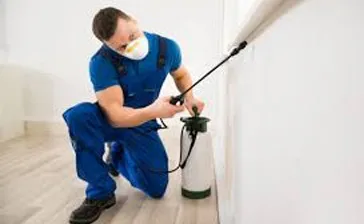
Our technicians wear full protective bee suits. We do not attempt wasp nest removal without appropriate PPE — and neither should homeowners. European wasp nests can mobilise thousands of wasps instantly when disturbed.
Dust or Liquid Treatment
We apply an insecticidal dust directly into the nest opening for underground and cavity nests, or use a targeted liquid treatment for exposed paper wasp nests. The treatment is carried through the colony by returning workers, eliminating the nest within 24 to 48 hours.
Nest Removal
Once the nest is confirmed inactive, we remove accessible nests where it is safe and practical to do so. Sealing the entry point reduces the risk of secondary pests moving into the vacated cavity.
Wasp Removal Pricing
Wasp nest removal starts from $199 for accessible paper wasp nests. European wasp nests in underground or cavity locations may be priced higher depending on complexity. Same-day emergency service is available. We provide free quotes with no obligation.
Wasp Removal FAQs
How much does wasp nest removal cost in Melbourne?
Wasp nest removal in Melbourne typically starts from $199 for a standard paper wasp nest in an accessible location. European wasp nests in wall cavities or underground locations may cost more due to the additional complexity and risk. We provide free quotes before starting any work.
Can I remove a wasp nest myself?
We strongly advise against DIY wasp nest removal, particularly for European wasps. A disturbed European wasp nest can mobilise thousands of wasps simultaneously, causing multiple stings that can result in hospitalisation or, in people with allergies, death. Our technicians carry appropriate PPE and professional products that eliminate the colony safely.
How long does wasp nest treatment take?
The on-site treatment typically takes 30 to 60 minutes. The nest will be fully eliminated within 24 to 48 hours as the treatment is carried through the colony. We advise keeping children and pets away from the treated area for at least 24 hours.
What time of year are wasps worst in Melbourne?
European wasp populations are largest from February to May in Melbourne. As temperatures drop in autumn, colonies stop rearing new queens and workers become increasingly aggressive in their search for food. This is when European wasps pose the greatest risk at outdoor dining areas, barbecues, and children's play areas.
Do wasps come back to the same location?
European wasps do not reuse old nests but may build a new nest near the same location the following season. After treatment, we advise sealing entry points where accessible. Monitoring high-risk areas in spring when new queens begin nest building is the best prevention strategy.
How do I know if I have a European wasp nest?
Signs include consistent wasp activity flying in and out of a single entry point (often at ground level or in a wall), a high volume of wasps near the property in late summer and autumn, and wasps being attracted to meat at outdoor events. European wasps are yellow and black with bright markings and a distinctly narrow waist.
Wasp Removal Across Melbourne
We provide same-day wasp nest removal across Melbourne's northern, western, inner city, and outer north suburbs. Select your suburb for local service.
Northern Suburbs
Western Suburbs
Inner City & CBD
Get a Free Quote
Fast response for Melbourne locals